6 Things To Do In Fall To Prepare For Cooler Weather
Winter comes as no surprise, but while enjoying the fall weather with falling beautiful leaves and apple pies we usually tend to forget to prepare for winter.
Here is a quick checklist to help you stay safe and healthy:
Clean Your Gutters – Make sure you remove leaves, sticks or any other debris that can block the flow, as when water freezes in your gutters because of debris, it would force the melting ice and snow underneath the shingles on your roof and into your home. This would causes mold, leaks, and water stains. Schedule gutter cleaning once a year in to your checklist. Cleaning gutters from the ground is by far the safest gutter cleaning method.
Start the Heat Up – Changing the filters of the heating system is one of the best ways to maximize its efficiency. Ensure the thermostat is able to start up immediately without any problems once the heater is switched on. Make sure all the heating vents are uncovered.
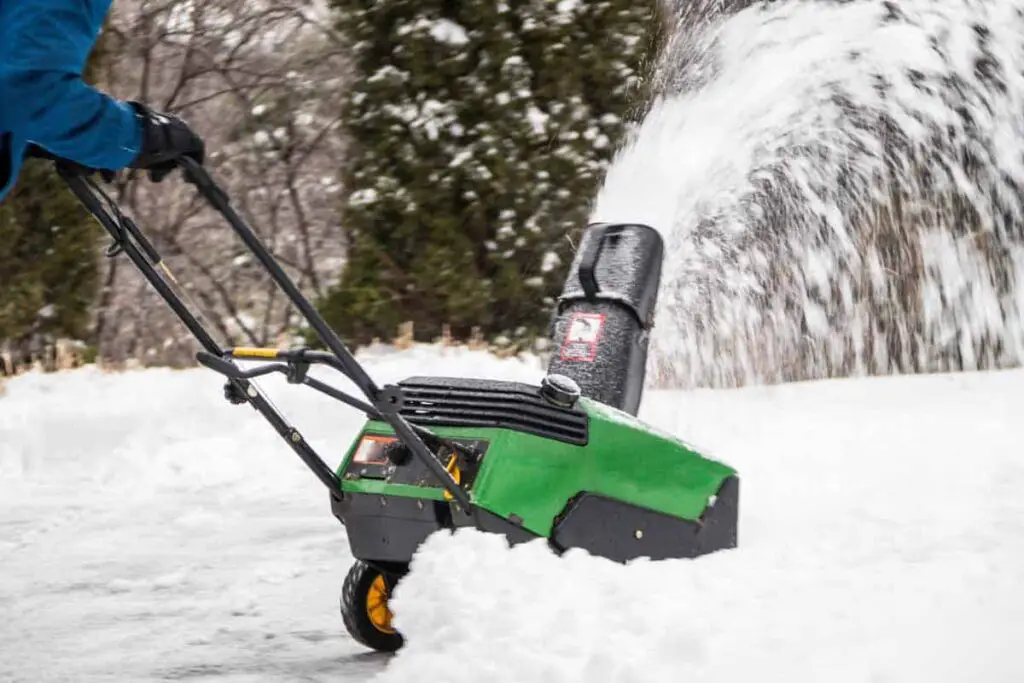
Get Your Snowblower Ready – Here are some simple tests to do to get your snowblower ready to take on the snow when the time comes. Fill up the gas tank (for gas models only), check the oil, check the tires and inspect and/or replace the spark plug. After you have checked it store it near the house, so you won’t need to tridge through snow to get it.
Buy Extra Gasoline – Gasoline should always be kept in an outdoor structure such as a tool shed, storage barn, or separate garage. It is best to store the least amount of fuel required. Gasoline rapidly decomposes, so it is less pure if it has been stored for longer than several weeks.
Inspect Roof – Roof repairs are best done before the temperature drops. Emergency repairs and full roof replacements are far more costly than routine maintenance. Shingles need to be properly sealed before winter. You can save on your heating bills with a well-insulated house,
Inspect Trees – Late fall is a good time to have the tree inspected as the leaves can longer mask the problem. You can spot dead or declining parts easily with foliage gone. Look for dead, broken or hanging branches, hallows and cavities, cracks, root damage etc. Borer holes, loosening bark and overwintering eggs are signs that your tree has been infested with insects.
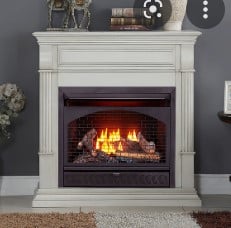
Clean Fireplaces and Chimneys – Inspect chimneys to make sure they are unobstructed. Remove anything around the vent or chimney to ensure it does not block the exhaust. See if there are any white stains building up on your roof’s chimney. These stains mean your chimney is absorbing water and can lead to leakage.
Smoke Detector – Install a smoke alarm in bedrooms and all living areas, including hallways and stairs. You can test the smoke alarms by pressing the test button. Each year vacuum all smoke alarms to clean the vent, and change batteries in any 9-volt battery-operated alarms. Make sure everyone in the home understands the sound of the smoke alarm and knows how to respond.
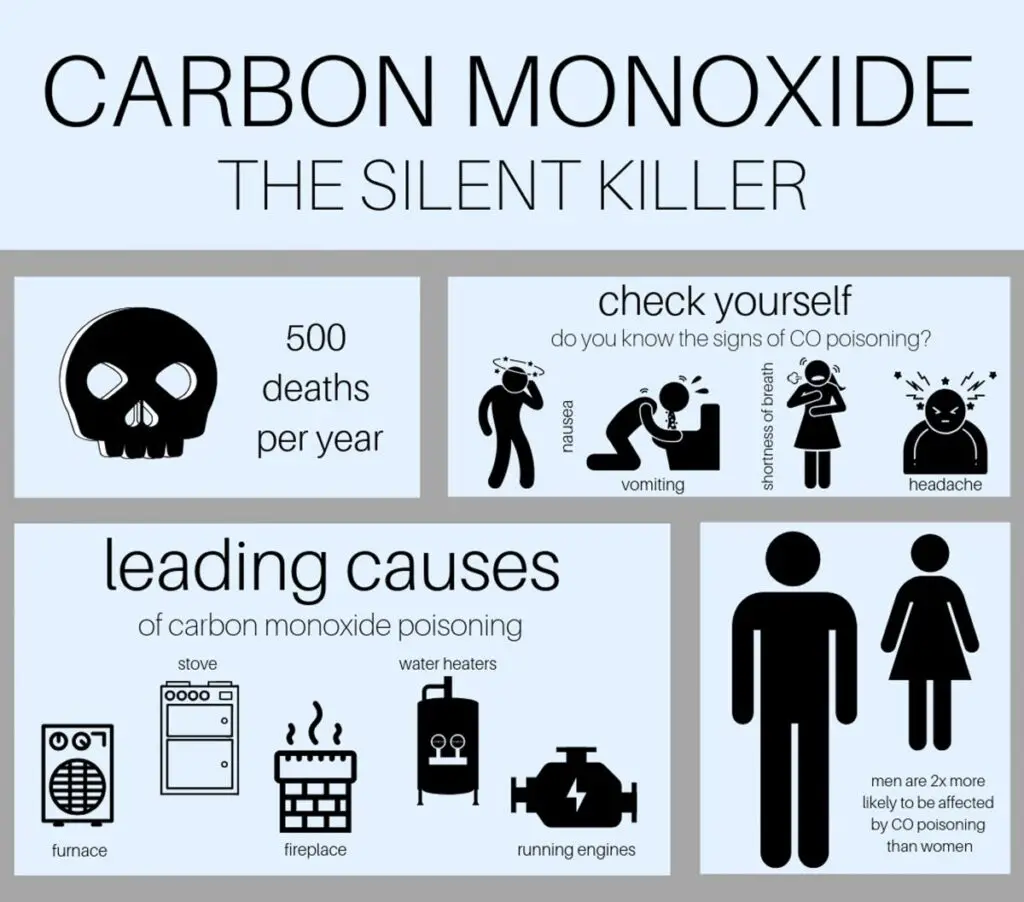
Carbon Monoxide (CO) Detector – will alert you to the presence of deadly, odorless, colorless gas. Some of the symptoms of CO poisoning is: headache, dizziness, weakness, upset stomach, vomiting, chest pain, and confusion. Don’t forget to test your batteries.
Keep your family cozy throughout the cold season with these helpful tips.